Did you know that Padmasana, the lotus position, is considered the ultimate asana for deep meditation? Used for centuries by yogis and meditators, this posture combines physical stability with spiritual openness. In this article, you will discover what it is, how to practice it safely, its benefits, and the best alternatives if you still don’t have the necessary flexibility.
What is Padmasana?
Padmasana, known in English as the lotus pose, is one of the most recognized and revered asanas in the practice of yoga. Its name comes from Sanskrit: padma means “lotus”, and asana means “pose”. It is a seated posture in which the feet cross and rest on the opposite thighs.
The origin of Padmasana dates back to the ancient traditions of yoga and Hinduism, mentioned in classic texts such as the Yoga Sutras of Patanjali. It was adopted by sages and yogis during deep meditation as a means to elevated states of consciousness such as samadhi. The lotus flower is a symbol of spiritual purity, as it grows in muddy waters but blooms radiantly on the surface, representing the soul’s path toward enlightenment.
In addition to its aesthetic beauty, the lotus flower pose has a deep practical meaning. It is used to stabilize the body and calm the mind during meditation, and is one of the five most important meditation postures. By keeping the spine upright and the body grounded, Padmasana facilitates a state of mindfulness and inner openness, helping to channel energy into higher planes of consciousness.
Benefits of practicing Padmasana
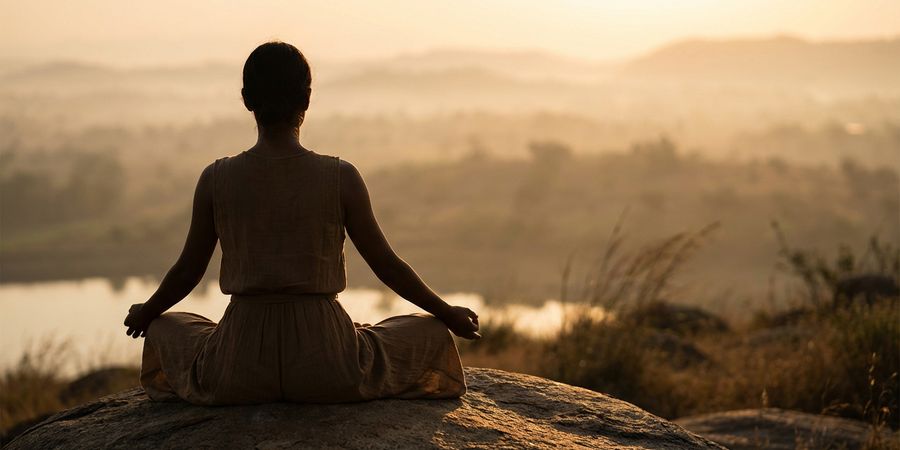
The practice of Padmasana, or lotus posture, offers numerous physical benefits. By maintaining a stable and aligned posture, it enhances the flexibility of the hips, knees, and ankles. Additionally, it strengthens the musculature of the back, promoting an upright spine and better posture in daily life. If you want to delve into how yoga transforms your body, check out our guide on benefits of yoga.
At a mental and emotional level, Padmasana promotes a state of calm and concentration. Neuroscience has shown that meditation postures like this activate the parasympathetic nervous system, reducing stress and anxiety. The symmetry and stability that the pose provides help anchor awareness in the present moment.
From an energetic perspective, the lotus pose facilitates the alignment of the chakras and promotes a balanced flow of energy. By keeping the base of the body well grounded and the spine aligned, it favors the activation of the central energy channel (Sushumna nadi), facilitating states of greater clarity, vitality, and spiritual openness. Discover more about how each energy center has its own color and meaning.

How to practice Padmasana step by step
Before attempting Padmasana or lotus pose, it is important to prepare the body with poses that open the hips and strengthen the spine. Practices such as Baddha Konasana (bound angle pose), Sukhasana (easy pose), Marjaryasana–Bitilasana (cat-cow) or even a gentle sequence of Sun Salutation help to gain the necessary flexibility safely and progressively.
To enter Padmasana, sit on the floor with your legs stretched out in front. Bend one leg and place the foot on the opposite thigh, with the sole of the foot facing up. Then bend the other leg and place the foot on the other thigh. The knees should approach the ground, and the spine should remain upright and relaxed.
Once in the lotus position, place your hands on your knees in mudra (for example, Gyan Mudra). Keep your gaze soft, your chest open, and breathe deeply. If you experience pain or tension in your knees or hips, opt for a variation or work on hip opening before attempting the full pose. Comfort is key for holding it in a meditative way.
Variations and alternatives to Padmasana
While the lotus pose is beautiful and powerful, not everyone has the flexibility to adopt it immediately. Fortunately, there are several variations and alternatives that allow you to enjoy its benefits gradually and safely, respecting the needs of each body.
One of the most accessible options is Ardha Padmasana, or half lotus. In this variant, only one foot is placed on the opposite thigh, while the other leg remains on the ground or in a crossed position. It is an excellent way to work on hip opening while maintaining stability and grounding.
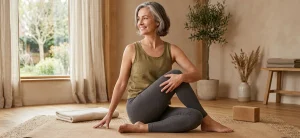
You can also practice Sukhasana (easy pose) or Baddha Konasana (bound angle pose) as preparatory poses for Padmasana. Disciplines such as Yin Yoga or Restorative Yoga are especially helpful for gaining progressive flexibility in hips and joints. Remember that the path to the lotus flower is a process. Listening to your body and progressing with patience is essential for ensuring a sustainable and safe practice.
Precautions and contraindications
Although Padmasana, or lotus flower pose, provides many benefits, it is not suitable for everyone at all times. It is essential to respect your body’s limits and avoid forcing the pose, especially if you lack sufficient flexibility in the hips, knees, or ankles.
It is not recommended to attempt Padmasana if you have injuries or discomfort in the mentioned joints. Forcing the posture can lead to unnecessary strains or even injuries. It is better to opt for gentler variations and progressively work on hip opening before attempting the full posture of the lotus flower. If you are concerned about the impact on your knees, we recommend reading our article on Padmasana and knee pain.
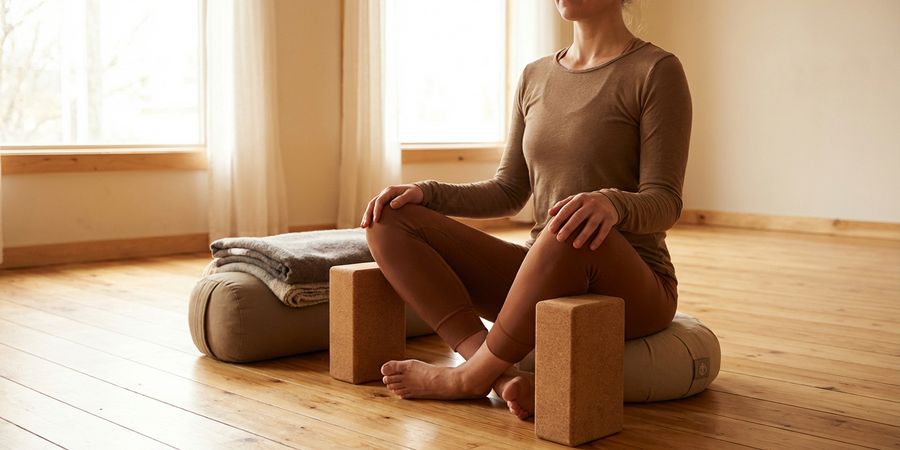
Additionally, avoid practicing Padmasana if you feel sharp pain or pressure in your knees. The focus should always be on a conscious and respectful practice. Using supports, such as blocks or cushions, and doing a good warm-up beforehand are key to protecting the body and enjoying a safe and enriching experience. If you are starting with yoga, our yoga guide for beginners can help you establish a solid foundation.
Padmasana in your yoga and meditation practice
Incorporating Padmasana, the lotus pose, into your sadhana (personal practice) of yoga and meditation can profoundly enrich your experience. It is a pose that invites stillness and full presence, creating a stable foundation to explore conscious breathing and a meditative state more deeply.
You can use Padmasana at the beginning or end of your yoga practice, dedicating a few minutes to meditation or mindfulness. It is also ideal for pranayama practices, as its alignment supports fluid and balanced breathing. If you cannot hold it for long, start with half lotus or alternative postures.
Over time, the regular practice of Padmasana strengthens both the body and the mind. Beyond its physical dimension, it is a symbol of spiritual opening and inner blossoming. Integrating it into your yoga and meditation routine will help you cultivate a space of deep connection with yourself and your inner path.

Frequently Asked Questions about Padmasana
How long should you hold Padmasana?
If you are just starting, hold the pose for 1 to 5 minutes, gradually increasing. Advanced practitioners may hold it for an entire meditation or pranayama session. The important thing is that you do not feel pain or numbness.
Is Padmasana dangerous for the knees?
It is not dangerous if practiced correctly and with adequate flexibility. The risk arises when forcing the posture without preparation. If you have doubts or discomfort, consult our article on Padmasana and the menisci.
What is the difference between Padmasana and Ardha Padmasana?
In Padmasana (full lotus), both feet rest on the opposite thighs. In Ardha Padmasana (half lotus), only one foot is placed on the opposite thigh, making it a more accessible variant. If you’re looking for more options, you can also explore Sukhasana as an alternative.
Can I practice Padmasana if I am a beginner?
It is possible, but it is recommended to first work on hip flexibility with preparatory poses like Baddha Konasana or Balasana. Check our beginner’s guide to build a solid foundation before attempting the full pose.